
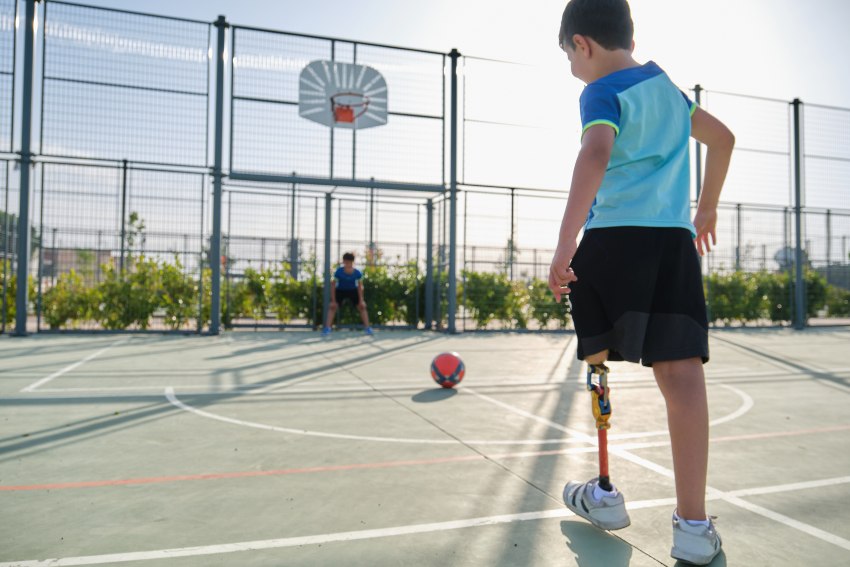
The Challenges of Providing Prosthetics for Growing Children
Children are constantly moving, growing, and changing. But the growth that’s so exciting to watch also creates real challenges when a child needs a prosthetic limb. Unlike adults, who may use the same device for years, children outgrow their prosthetics quickly. As a result, parents and providers must plan for frequent changes.
Bio Dynamic Technologies in New York, NY, understands the challenges that children face, and we’ve compiled this guide to explain what families can expect from pediatric prosthetics. Continue reading to learn how thoughtful care can help your child thrive at every stage of growth.
Introduction to Pediatric Prosthetics
Pediatric prosthetics are artificial limbs designed specifically for children. But they’re not simply miniature versions of adult devices. A pediatric prosthetic leg or pediatric prosthetic arm must fit a smaller frame, support active play, and adapt as the child grows. Children’s prosthetics are built to handle:
- Constant movement and energetic play
- Rapid physical growth and changing body shapes
- The emotional and social needs of a young person
Because of these factors, prosthetic legs for children require careful planning and regular care from a skilled team.
Challenges That Growing Children Face Wearing Prosthetics
Fitting a child with a prosthetic is rarely a one-time event. Several challenges make pediatric care unique:
- Frequent Growth Spurts – A device that fits perfectly today may feel tight in a few months. Children may need new or adjusted prosthetics every 12 to 18 months, and sometimes more often during rapid growth.
- High Activity Levels – Kids run, jump, and play hard. Their prosthetics must be durable enough to keep up.
- Changing Needs by Age – A toddler learning to walk has very different needs than a teenager playing sports.
- Emotional Adjustment – Children may feel self-conscious about their device. Comfort and confidence matter as much as function.
- Cost Over Time – Because devices must be replaced often, families need to plan for ongoing expenses and insurance coverage.
Designing Prosthetic Solutions for Children
Good design makes a real difference in how a child adapts to a prosthetic. A pediatric prosthetic arm or leg should support a child’s daily life, from schoolwork to sports to time with friends. The Bio Dynamic Technologies team focuses on solutions that fit each child’s stage of life, with key design considerations including:
- Adjustable Components – Some prosthetics allow small adjustments in length or fit, extending the time between full replacements.
- Lightweight Materials – Lighter devices are easier for children to use during play and daily activities.
- Durable Construction – Sturdy materials help the device withstand active use.
- Personal Touches – Many children feel more confident when they can choose colors or patterns for their prosthetic.
Role of Parents and Caregivers in Prosthetic Care
Parents and caregivers are often the first to notice when a device no longer fits or when a child is uncomfortable. When parents stay involved, children tend to adapt more easily and use their prosthetics with greater confidence. Caregivers can support their child by:
- Watching for signs of poor fit, such as redness, sores, or complaints of pain
- Encouraging the child to wear and use the prosthetic regularly
- Keeping the device clean and in good condition
- Communicating openly with the prosthetic care team
- Offering emotional support and patience during adjustment periods
Importance of Regular Follow-Ups and Adjustments
Regular follow-up visits are among the most important parts of pediatric prosthetic care. Because children grow so quickly, ongoing checkups help children stay comfortable and active. During follow-up appointments, our team may:
- Check the fit and comfort of the device
- Make adjustments to length, alignment, or padding
- Inspect for wear and tear
- Discuss the child’s changing activity needs
- Plan for future replacements as the child grows
Essential Tips for Managing Pediatric Prosthetic Care
Managing a child’s prosthetic care can feel overwhelming at first, but these simple habits can make the process smoother:
- Schedule Routine Checkups – Don’t wait for problems to appear. Regular visits help identify issues early.
- Track Growth and Comfort – Keep notes on how the device fits and how your child feels using it.
- Build a Clean Routine – Teach your children to clean the device daily to prevent skin irritation.
- Stay in Touch With Your Care Team – Reach out with questions or concerns between appointments.
- Support the Whole Child – Celebrate progress and address any emotional concerns with patience and encouragement.
FAQ About Pediatric Prosthetics
Most children need a new or adjusted prosthetic every 12 to 18 months. During growth spurts, replacements may be needed more often.
Yes. Children’s prosthetics are designed for active play, rapid growth, and the emotional needs of young people. They’re not simply smaller adult devices.
Many children stay active and play sports with their prosthetics. The right design and proper fit help support these activities.
Watch for signs such as redness, sores, complaints of pain, or difficulty using the device. If you notice these issues, contact your care team.
Coverage varies by plan. Because children need frequent replacements, it helps to review your policy and plan for ongoing costs.
Contact Our Pediatric Prosthetic Specialists Today
Caring for a growing child’s prosthetic needs requires planning, patience, and a skilled team like the one you’ll find at Bio Dynamic Technologies in New York, NY. If your child needs a pediatric prosthetic leg, pediatric prosthetic arm, or ongoing prosthetic care, we’re here to help. Contact us today to schedule a consultation and learn how we can support your child’s journey.