
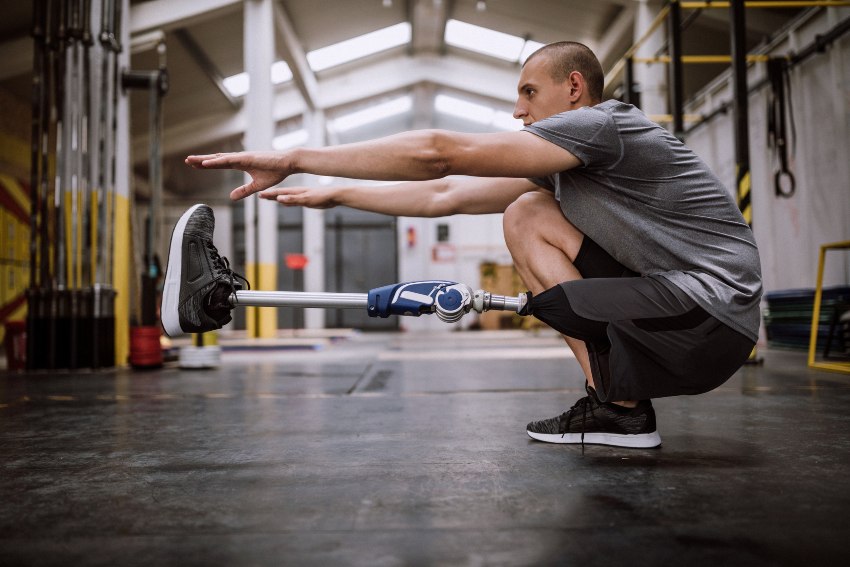
Exercises to Improve Prosthetic Balance
Learning to balance with a prosthetic device takes time, practice, and patience. Whether you’re a new prosthetic user or have worn a device for years, balance training can help you move with more confidence. Good balance lowers your risk of falls and makes daily activities feel easier. Bio Dynamic Technologies is a leader in developing custom prosthetics and orthotic devices for people in New York, NY, and throughout the Tri-State Area. But in addition to designing custom-made prosthetic solutions, we support our clients through the process and beyond. Keep reading to learn beginner, intermediate, and advanced exercises to help you build steady, reliable balance.
Understanding Balance With a Prosthetic
Balance is your body’s ability to remain steady, whether you’re standing still or moving. When you use a prosthetic device, your body relies on different muscles and signals than it did before, which can make your sense of balance feel new or unfamiliar. The following elements affect prosthetic users’ balance:
- Core Strength – Your stomach and back muscles help keep you upright.
- Leg and Hip Strength – Strong muscles support your movements and weight shifts.
- Device Fit – A well-fitted, custom-made prosthetic helps you feel more stable.
- Confidence – Trusting your device and your body plays a big role in steady movement.
Why Balance Training Is Essential
Balance training is a key part of adjusting to prosthetic devices. Regular practice can help your body relearn how to move safely and smoothly. Moreover, it:
- Lowers Fall Risk – Better balance helps you stay steady on different surfaces.
- Builds Strength – Many balance exercises also strengthen your muscles.
- Improves Daily Life – Walking, climbing stairs, and carrying items becomes easier.
- Increases Confidence – As you feel more stable, you may feel more independent.
Always talk with your doctor or therapist before starting new exercises. They can help you choose movements that match your needs and abilities.
Beginner Balance Exercises
If you’re new to balance training, start slow. Beginner exercises help you build a strong base, but you should try them near a wall, chair, or counter for support. New prosthetic users will benefit from:
- Weight Shifts – Stand with your feet apart, and slowly shift your weight from one side to the other. This helps you get used to trusting your prosthetic.
- Standing Marches – Hold onto a steady surface. Lift one knee, then lower it. Switch sides and repeat.
- Heel-to-Toe Stand – Place one foot in front of the other. Hold the position for a few seconds, then switch.
- Seated Leg Lifts – Sit in a chair and slowly raise one leg at a time. This strengthens your legs without standing.
Intermediate Balance Exercises
Once you feel steady with the basics, you can try the following slightly more challenging movements. Be sure to keep a support nearby in case you need it.
- Side Leg Raises – Stand tall and lift one leg out to the side. Lower it slowly and repeat.
- Single-Leg Stands – Try standing on one leg for a few seconds. Use a chair for support at first.
- Tandem Walking – Walk in a straight line, placing the heel of one foot right in front of the toes of the other.
- Mini Squats – With your feet apart, bend your knees slightly, then stand back up.
Advanced Balance Exercises
Advanced balance exercises are for experienced prosthetic users who feel confident and stable. Check with your physical therapist before adding these to your routine:
- Standing on Uneven Surfaces – Try balancing on a foam pad or soft mat to challenge your stability.
- Single-Leg Reach – Stand on one leg and reach forward with your hand. Return to the start and repeat.
- Step-Ups – Step onto a low, sturdy platform, then step back down. Switch your leading leg.
- Walking With Head Turns – Walk slowly while turning your head from side to side. This builds balance and coordination.
Tips to Improve and Maintain Balance
Building balance is an ongoing process. These tips can help you stay on track:
- Practice Often – Short, regular sessions work better than long, occasional ones.
- Wear Proper Footwear – Supportive shoes help your prosthetic device work well.
- Check Your Device Fit – A loose or worn prosthetic can affect balance. Schedule regular checkups.
- Stay Active – Walking, stretching, and gentle exercise all support steady movement.
- Be Patient – Progress takes time. Celebrate the small wins along the way.
If you notice changes in your balance or comfort, contact your prosthetic provider. A quick adjustment to your custom prosthetic can make a big difference.
FAQ About Prosthetic Balance
The time varies for each prosthetic user. Some people notice progress within a few weeks, while others need several months. Regular practice and a well-fitted device both help speed up the process.
Yes, when done carefully. Start with beginner exercises and keep support nearby. Always check with your doctor or therapist before beginning a new routine.
Yes. An ill-fitting prosthetic device can make balance harder. If your device feels loose or uncomfortable, schedule a fitting with your provider.
Many people benefit from practicing a few times each week. Your therapist can suggest a schedule that fits your needs and goals.
Stop and rest. You may also use a chair or a wall for support. If unsteadiness continues, talk with your prosthetic provider or therapist.
Contact Us to Improve Your Prosthetic Balance Today
Bio Dynamic Technologies is committed to helping every prosthetic user move with comfort and confidence. Our custom-made prosthetic solutions are designed to fit unique needs. If you’re ready to improve your balance and quality of life, contact us in New York, NY, to schedule a consultation.