
The Prosthetic Fitting Process: What to Expect
Getting a prosthetic device is a major step toward regaining movement and independence. If you’re preparing for a prosthetic fitting, you probably have questions about what happens and what to expect along the way. Knowing the process ahead of time can help you feel more confident and prepared.
Bio Dynamic Technologies has helped patients throughout New York and the Tri-State Area find prosthetic solutions designed for their needs. Let us explain the steps for prosthetic leg fitting and offer tips to help you feel ready for each stage below.
Understanding Prosthetic Fitting
Prosthetic fitting is the process of designing, fabricating, and adjusting a prosthetic device to fit your body and support your daily activities. A good fit will:
- Reduce skin irritation and pressure sores
- Improve balance and stability
- Make walking and other movements feel more natural
- Support long-term comfort and device use
Common Challenges and How to Overcome Them
The process of getting a prosthetic leg or arm can come with a few bumps. Knowing about these potential concerns can help you prepare:
- Changes in Limb Size – After surgery, your residual limb may shrink or change shape as it heals. This is normal. Your prosthetist may use a temporary socket until your limb stabilizes.
- Skin Sensitivity – New users sometimes notice redness or irritation. Reporting these issues early allows your care team to adjust the fit.
- Getting Used to the Device – Learning to move with a prosthetic device takes practice. Physical therapy and steady effort help you build strength and confidence.
- Emotional Adjustment – Adapting to a prosthetic device is a personal journey. Talking with your care team, family, or a support group can help.
Open communication with your prosthetist is one of the best ways to address these challenges. Small adjustments often make a big difference.
Step-by-Step Prosthetic Fitting Process
While every patient’s experience is unique, most prosthetic processes follow a similar path. Here’s what you can generally expect:
- Initial Consultation and Evaluation – Your prosthetist examines your residual limb, reviews your medical history, and discusses your goals. This visit helps the team understand your needs and recommend the appropriate prosthetic device.
- Measurements and Casting – Next, your prosthetist takes detailed measurements of your limb. This may involve casting or digital scanning to create a model that serves as the foundation for your custom socket.
- Creating the Prosthetic Device – Using your measurements, the team builds your prosthetic device. The socket, which connects to your residual limb, is shaped for a precise fit. Components such as joints, feet, or knees are selected based on your activity level.
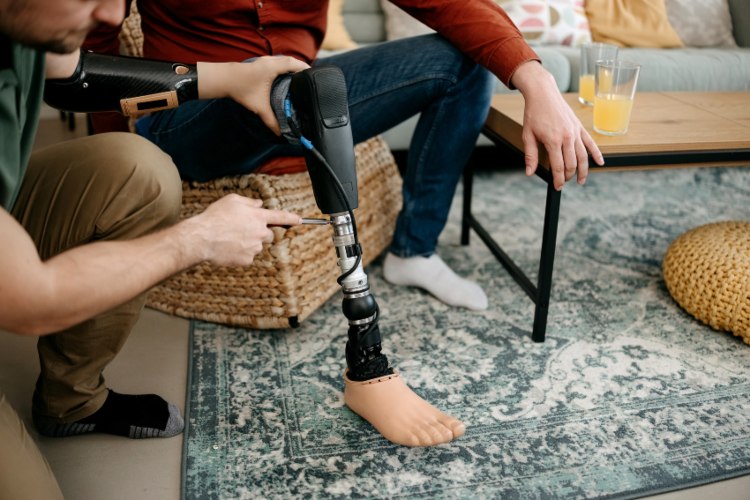
- Fitting and Adjustments – You’ll try on the device so that your prosthetist can check the fit and alignment. Adjustments are common at this stage. The goal is to make sure the device feels secure and comfortable while you stand and walk.
- Training and Rehabilitation – Once the fit is right, you’ll learn how to put on, remove, and care for your device. Physical therapy often plays a key role here, helping you build strength and learn to move safely.
- Follow-Up Care – Prosthetic fitting doesn’t end after your first device. Regular follow-up visits allow your team to make adjustments as your body changes and your needs evolve.
How Long Does the Prosthetic Fitting Process Take?
The timeline varies from person to person. Several factors affect how long prosthetic leg fitting takes, including:
- How well your residual limb has healed
- The type of prosthetic device you need
- Your overall health and activity goals
- How your body responds during fitting and training
For many patients, the process from initial evaluation to a well-fitting device can take several weeks to a few months. Healing and adjustment periods are an important part of the timeline, so you must be flexible during the process.
Tips for a Smooth Prosthetic Fitting Experience
A few simple habits can help your prosthetic fitting go more smoothly:
- Keep Your Appointments – Regular visits allow your team to track progress and make timely adjustments.
- Care for Your Skin – Clean and check your residual limb daily to catch any issues early.
- Speak Up – Share any discomfort or concerns with your prosthetist right away.
- Stay Active in Therapy – Following your rehabilitation plan helps you adapt faster.
- Be Patient – Adjusting to a prosthetic device takes time, but steady effort pays off.
FAQ About the Prosthetic Fitting Process
The fitting process should not be painful. You may feel pressure or mild discomfort as adjustments are made, but ongoing pain indicates the fit needs to change. Always tell your prosthetist if something feels wrong.
Most people need time for the residual limb to heal before fitting begins. This often takes several weeks. Your care team will let you know when you’re ready based on your healing progress.
Adjustments are common during the first months as your body changes. After that, follow-up visits help maintain the fit. The frequency depends on your activity level and how your limb changes over time.
Many patients benefit from physical therapy. It can help you build strength, improve balance, and learn how to move safely with your prosthetic device.
Yes. Over time, your needs may change, or your device may show wear. Your prosthetist can discuss options for replacement or upgrades when necessary.
Contact Us for Prosthetic Fitting Today
The right care team can help you find a prosthetic device that fits your life and supports your goals. Bio Dynamic Technologies specializes in guiding patients through the prosthetic process. Contact us in New York, NY, today to schedule a consultation.