
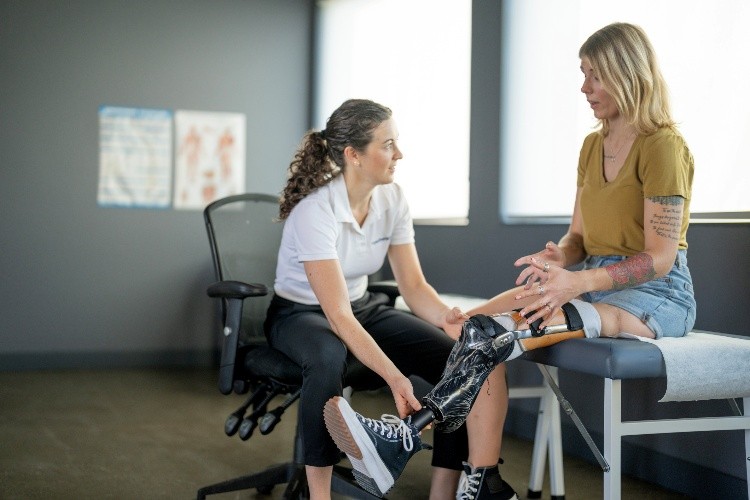
Various Reasons Your Prosthetic Leg May Be Causing Discomfort or Pain
Adapting to a prosthetic leg is a transformative journey, and while modern advancements have significantly improved user experience, many individuals still encounter periods of discomfort or pain. Whether you’re experiencing pressure sores, overall discomfort, or sharp pains, it’s essential to make an adjustment. Bio Dynamic Technologies offers a guide on understanding the causes and solutions of prosthetic leg discomfort. Reach out to learn more.
Are Prosthetic Legs Painful?
Ideally, a well-fitted prosthesis should not cause chronic pain. There can be several physiological and mechanical factors that may lead to sensitivity. Understanding the root causes of prosthetic leg pain is the first step toward regaining comfort and mobility. Whether you are adjusting to a new device or have been using one for years, identifying whether the issue stems from changes in your residual limb, alignment errors, or simple wear and tear is essential for your long-term health and well-being.
Poor Fit or Alignment
One of the most frequent causes of discomfort is the alignment of the prosthetic leg components. If the socket, the interface between your residual limb and the prosthesis, is not perfectly aligned with your center of gravity, it can create uneven pressure distribution. This misalignment often leads to localized pain in the hip, lower back, or the residual limb itself as your body attempts to compensate for the imbalance. It’s vital to have regular consultations with your prosthetists to ensure that the biomechanics of your device remain optimized for your specific gait.
Changes in Residual Limb Shape and Size
The residual limb is dynamic and can change in volume due to weight fluctuations, fluid retention (edema), or muscle atrophy over time. When the limb shrinks or swells, the once-perfect fit of the socket may become loose or overly tight. A loose socket can cause the limb to bottom out or “pistol” inside the device, leading to friction and bruising, while a tight socket can restrict circulation. Monitoring these changes and utilizing prosthetic socks to manage volume fluctuations can provide temporary relief, but significant changes often require a socket replacement or adjustment.
Skin Irritation and Pressure-Related Issues
The skin on a residual limb was not originally intended to bear the weight of the body, making it susceptible to various dermatological issues. Skin irritation often occurs due to trapped moisture, heat, or friction against the liner. Without proper hygiene and maintenance, this can escalate into blisters, pressure sores, or contact dermatitis. It is reassuring to note that most skin issues can be resolved with specialized liners, barrier creams, and rigorous cleaning routines, provided they are caught before they develop into more serious infections.
Impact of Different Prosthetic Leg Types
The specific prosthetic leg types chosen for your lifestyle can also influence your comfort levels. A high-activity carbon fiber blade designed for running may feel too rigid or uncomfortable for low-impact daily activities. Conversely, a basic k-level foot might not provide enough shock absorption for an active individual, leading to joint strain. Selecting the right components for your specific activity level and ensuring they are calibrated correctly is a collaborative process between you and your clinical team.
Wear and Tear of Components
Like any high-performance medical device, prosthetic legs are subject to mechanical wear and tear. Over time, liners may thin out, suspension sleeves can lose their elasticity, and mechanical joints may develop play or friction. These subtle changes can lead to a gradual increase in pain that users might mistakenly attribute to their own bodies. Regularly inspecting your components for cracks, thinning material, or unusual noises can prevent sudden failures and ensure the device continues to provide the necessary support.
When to Seek Professional Attention
While minor adjustments can often be handled through daily maintenance, certain symptoms require the immediate expertise of your prosthetist to ensure your safety and comfort. Please contact your clinical team if you experience any of the following:
- Persistent Skin Irritation – Any redness that does not disappear within 20 minutes of removing the prosthesis, or the appearance of blisters, sores, and broken skin.
- Unusual Noises or Structural Changes – New clicking, squeaking, or grinding sounds emanating from the components, or any noticeable “play” or instability in the joints.
- Sudden Changes in Fit – A significant increase or decrease in the volume of your residual limb that causes the socket to feel excessively tight or loose, leading to instability.
- Localized Sharp Pain – Point-specific pain that feels like a “hot spot” or sharp pressure, which may indicate that the internal alignment has shifted or the padding has bottomed out.
- Component Wear or Damage – Visible cracks in the socket or fraying of suspension sleeves and straps that could compromise the integrity of the device.
How Can I Make My Prosthetic Leg More Comfortable?
Our team offers tips to enhance your daily experience and ensure your prosthesis remains a functional extension of your body. Consider the following proactive steps to improve overall comfort:
- Maintain Consistent Limb Hygiene – Gently wash your residual limb every evening with mild, fragrance-free soap to prevent skin irritation and bacterial buildup.
- Monitor Volume Changes – Utilize prosthetic socks of varying ply to manage natural fluctuations in limb size throughout the day, ensuring a snug and secure fit within the socket.
- Inspect Liners Regularly – Check your interface liners for signs of thinning or tears, as these components are vital for cushioning and pressure distribution.
- Schedule Routine Alignments – Periodic professional evaluations allow for fine-tuning of the prosthetic alignment, which can significantly reduce fatigue and prevent abnormal pressure points during gait.
- Prioritize Skin Health – Apply recommended moisturizers at night to keep the skin supple, but ensure the limb is completely dry before donning the prosthesis in the morning to avoid slippage.
Contact Bio Dynamic Technologies
Bio Dynamic Technologies helps patients find the right prosthetic fit in the New York and Tri-State Area. If you’re experiencing prosthetic leg pain, we’re here for you. We use cutting edge technology to ensure you get the best possible care. Our team will evaluate the prosthetic problem and offer a solution. Contact us today to schedule your consultation.