
What You Should Know Before Getting a Prosthetic Leg
Nobody hands you a manual after an amputation. One week you’re focused on healing, and the next you’re hearing words like “socket” and “suspension” from people who seem to speak another language. Bio Dynamic Technologies explains what to know before getting a prosthetic leg. Our prosthetists have sat across from plenty of patients at this exact crossroads. Whether you live in New York, Connecticut, or just over the river in New Jersey, this guide should help you walk into your first appointment with sharper questions and fewer worries.
What Does a Prosthetic Leg Do?
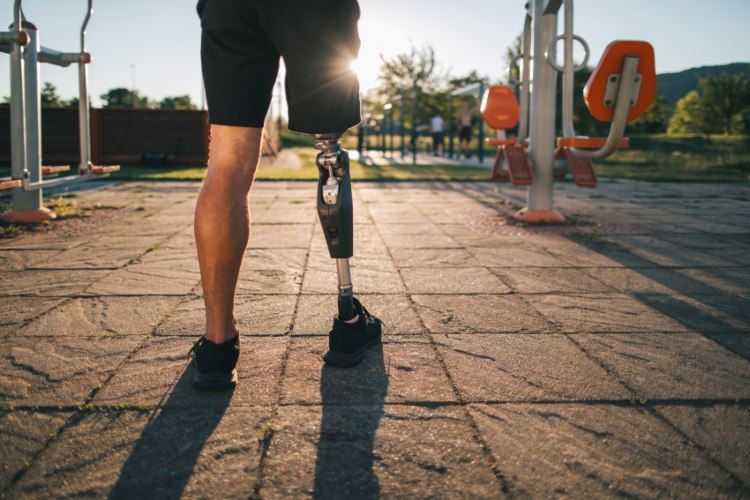
A prosthetic leg is an artificial limb built to stand in for the part of your leg you’ve lost. Every device includes a socket shaped to your residual limb, plus components chosen around how you plan to move each day. Prosthetics for legs belong to a wider group of mobility support devices, and our job is matching the right setup to your routine. Maybe you want to reach the corner bodega without leaning on a cane. Maybe you’re itching to get back on a hiking trail. Either goal deserves a plan built around it.
The First Issues Most New Users Experience
Almost everyone hits a rough patch in the first few months, and that doesn’t mean you’re doing anything wrong. Your body is learning something brand new. Here are a few of the hurdles we hear about most often from patients in their first year. Hopefully, this will help you spot them early and bring them up at your next visit. Some common issues include:
- Tender Skin: Your residual limb may feel irritated while it gets used to pressure from the socket.
- Shifting Limb Size: Swelling often goes down over the first months, which can loosen a socket that once fit snugly.
- Wobbly Balance: Standing on a new leg changes your center of gravity, so walking can feel awkward at first.
- Emotional Ups and Downs: Frustration and self-doubt are common, and you shouldn’t keep them bottled up.
How Do You Know When It’s Time?
There’s no single answer, and that can make it tough. Your surgeon and physical therapist will keep an eye on how well your incision has closed and how much swelling remains before they clear you for a fitting. Some people are ready sooner than others. We coordinate directly with your medical providers so our schedule follows their guidance rather than a guess. If you’re not sure, then it’s a good idea to set up a free consultation with our team. We can help you better understand your specific timeline.
Exploring the Different Types of Prosthetic Legs
Prosthetic leg types are pretty much determined by where the amputation took place. A below-knee prosthesis has your natural knee to deal with the bending, so it’s generally a lighter, easier-to-control device. Above-knee prostheses require an artificial knee joint, and that, in turn, is going to dictate how you walk. You can have microprocessor knees, which use sensors in the knee to vary the resistance as you go, or you can have power knees, which have motors to assist. If you’re looking at lower limb prosthetics for an active lifestyle, you may well need a special type of foot for that level of activity.
What to Weigh Before You Pick Your Leg
The flashiest leg on the market isn’t automatically the best leg for you. A retired teacher in Queens and a weekend runner in Hoboken might need completely different setups, even with the same type of amputation. Before you settle on anything, sit down with some questions and talk them through with your prosthetist. Cover the following information:
- Your Daily Activity: How far you walk on a typical day guides the components we recommend.
- Suspension Style: Options like suction suspension change how the leg attaches and how secure it feels.
- Comfort Needs: Comfortable prosthetic solutions start with a socket molded closely to your limb.
- Insurance Coverage: Our team can help you understand what your plan may cover before you commit.
- Future Changes: Your body and goals will likely shift over time, so plan for adjustments down the road.
We’ll Guide You Through the Fitting Process
Your first fitting is really just a conversation. We’ll take your residual limb measurement, of course, but we’ll also talk about specific things in your life, like the stairs in your building. Then comes a check socket, which we’ll often make on our 3D printer. You’ll wear it, we’ll see where it pinches so that we can modify it prior to building anything permanent. Expect a few return visits. One client flew in from St Lucia and had her Symes prosthesis in under two weeks. Many people do take longer, though. A custom-made prosthesis is worth getting right, and our credentialed clinicians won’t rush it.
Keeping Your Leg in Good Shape
Daily care isn’t going to take very long at all, but if you skip it, it will definitely catch up with you. Just wipe the socket and liner each night with a little soap and water, and let them air dry thoroughly before you go to bed. As you’re doing this, take a quick look at your skin and note any redness that persists. Any odd clicking or squeaking is a sign that something is probably going to need looking at, so don’t ignore it. Please don’t go around fiddling with the components with a hex key at home. If your other joints need some support, we also have orthotics and braces available for general use.
Let’s Talk About Your Next Step
Getting a prosthetic leg is a big decision, and you shouldn’t have to make it alone. If you’ve been typing “ABC-certified prosthetists near me” into a search bar, give us a call and ask about our clinicians’ credentials directly. We serve patients throughout the Tri-State Area from locations in New York, New Jersey, and Connecticut. Reach out today to schedule your free consultation. We treat anything you share through our contact forms as private and handle it in line with HIPAA requirements.