
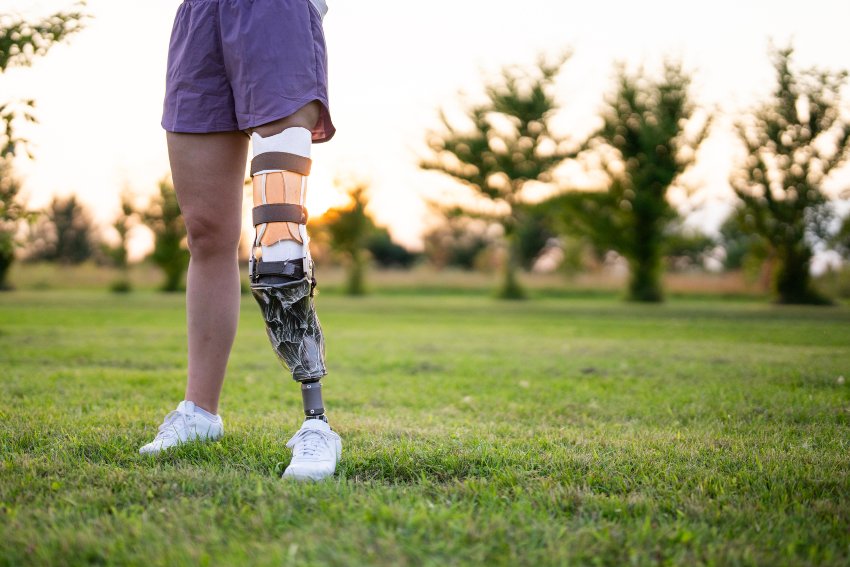
How Does Weather Impact Prosthetics? Tips for Managing Seasonal Challenges
Anyone who’s waited for a bus in January or crossed a parking lot in August knows the weather in the Tri-State Area doesn’t do anything halfway. Your prosthesis feels those swings too. Learn how the weather impacts prosthetic devices from Bio Dynamic Technologies, a team serving New York, New Jersey, and Connecticut. A few small habits can make each season a lot less taxing on your prosthetics. Best of all, they’re all pretty simple, once you build them into your daily habits.
Why Your Leg Notices the Seasons Before You Do
Prosthetic limbs don’t live in a vacuum. Heat makes your residual limb sweat and swell slightly, while cold can shrink it and stiffen materials. Even a few millimeters of change can affect how your prosthetic socket fits by the end of the day. Humidity plays a part as well, especially with suction and elevated vacuum suspension systems, which depend on a snug, consistent seal. Electronics in a power knee or myoelectric arm have their own preferences about temperature and moisture. None of this means something’s wrong. It just means your routine may need to shift a bit.
Keeping Cool When Summer Hits
Summers can be quite rough on devices due to the heat. You’ll find that sweat builds up in the liner, the seal starts to loosen, and by lunchtime, your skin might be irritated. A few simple things can be done to get you through that hot stretch of the year without leaving you in the middle of the afternoon fiddling with your fit. Some tips during the summer include:
- Carry a Dry Towel: Taking a minute to remove your liner and wipe away sweat can help the socket feel secure again.
- Wash Liners Nightly: Mild soap and water clear out salt and bacteria before they bother your skin.
- Watch the Sand: Beach trips to the Jersey Shore are fun, but grit in a foot shell or joint can cause wear.
- Skip the Hot Car: Leaving your prosthesis or charger in a parked car can damage liners and batteries.
Staying Steady Through Winter
Winter is a minefield. Black ice and salty slush can turn a trip to the corner shop into a real balancing act, and the cold air can cause your residual limb to shrink sufficiently to work the fit loose. Have an extra sock ply to hand so you can adjust the volume during the day. Wear shoes with good tread on your lower-limb prosthetic and speak to your prosthetist before you go, and switch to winter boots as a different heel height can have an effect on your alignment. If you’re using powered components, then keep your batteries inside overnight and keep them warm. The cold can drain the charge far more quickly than you’d expect.
Handling the In-Between Months
Spring and fall are sneaky. A morning that’s at 40° can be up to 70° by the afternoon, and your limb volume will be different as well. Layers are the answer, and checking your fit midday rather than when you get home is a good idea. Rain is a factor, too. Wet leaves in October can be just as slick as ice, so take the curbs slowly. These watershed seasons are also a good time to book a check-in, as you can catch any small fit issues before the summer heat or winter cold really sets in.
Everyday Habits That Help All Year
Some of the care required is absolutely independent of the calendar. Clean your liner and socket every day and allow them to dry out completely before reattaching. Check your skin every night for any redness or blisters that won’t go away. Be alert to any new clicking or squeaking, as that’s often a sign that a prosthetic component is in need of attention. Don’t go fiddling with the screws or alignment yourself, even if it looks like a simple fix. If you’re also wearing orthotics and braces for your daily wear, then treat those in the same way and give them the same daily check. Comfortable prosthetics are as much a function of good maintenance as they are of good design.
What to Pack in Your Seasonal Care Kit
A small bag in your car or in your backpack can save a great deal of hassle. You don’t need anything particularly fancy, just a few useful things that enable you to make the necessary adjustments when the weather changes or your day turns out to be longer than you’d anticipated. Some of the useful items to pack include:
- Extra Socks: Spare sock plies let you manage volume changes without heading home early.
- Travel Wipes: Gentle cleansing wipes help you freshen up your liner and skin during long days.
- Backup Charger: Powered devices and microprocessor prosthetic knees need a charged battery to work properly.
- Small Towel: A compact towel helps you dry off sweat or rain before it affects the seal.
- Our Phone Number: Having our contact info saved means help is just a call away.
Book Your Free Prosthetic Consultation
Whether you’re going in for your very first winter with a new leg or you’re just fed up with the summer sweat, we’d be more than happy to help. We have offices in NYC, Greenwich, and East Rutherford, and we work with all types of mobility support devices, including lower limb prosthetics for active living. Book a free consultation and bring all your seasonal questions. Anything you submit via our contact forms is kept strictly confidential and in accordance with HIPAA.